Cast Iron Pipe Replacement in Rowlett, TX
While pressurized water supply lines cause obvious high-pressure slab leaks, deteriorating sanitary sewer pipes beneath concrete foundations create an insidious hazard. Our specialized cast iron pipe replacement Rowlett services utilize sewer camera technology, hydrostatic testing, and precision replacement protocols to restore failing under-slab drain systems.
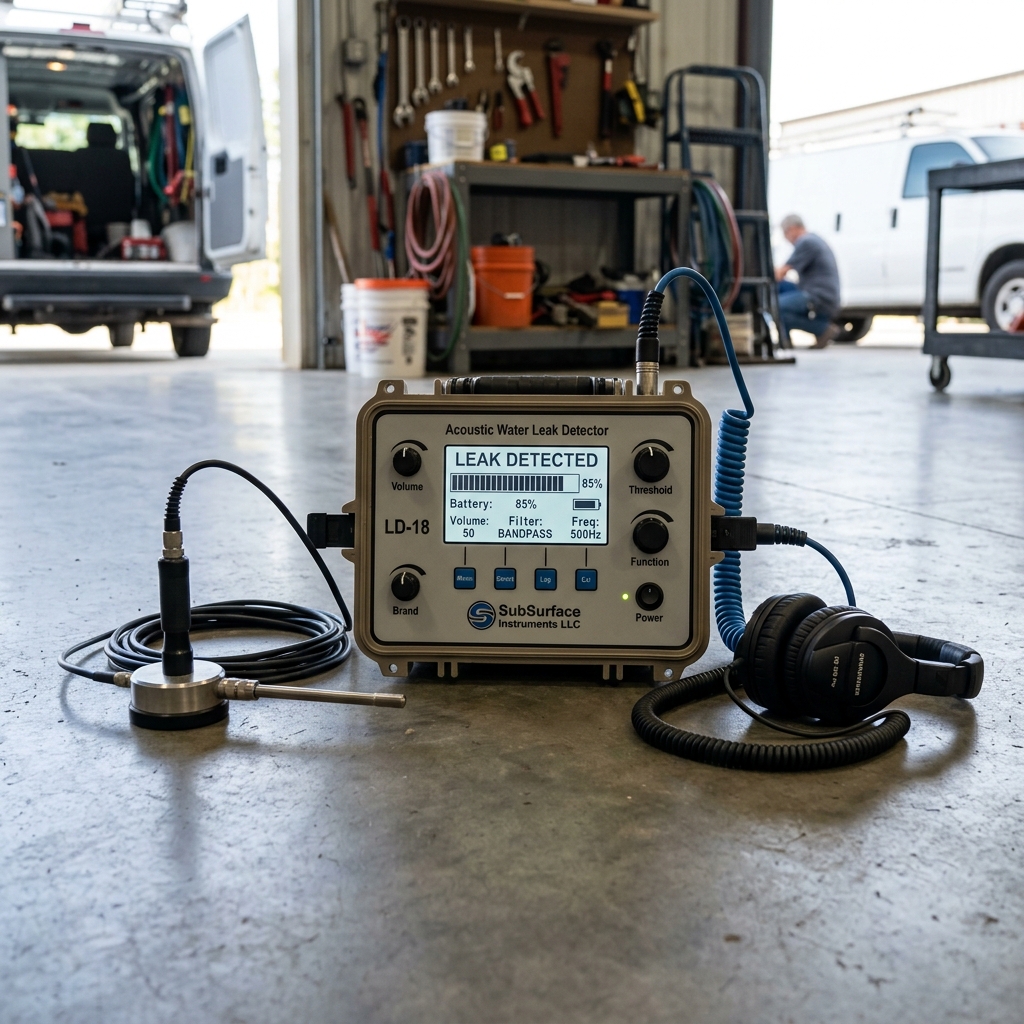
How Drain Slab Leaks Differ Fundamentally from Potable Supply Leaks
It is vital for homeowners to distinguish between clean supply line slab leaks and sanitary drain line slab leaks:
- Potable Water Supply Leaks: Supply lines operate under constant municipal water pressure (fifty to eighty pounds per square inch). When a supply pipe cracks, water sprays continuously twenty-four hours a day, causing water meters to spin, floors to heat up, and water bills to double.
- Drain and Sewer Line Under Slab Rowlett Failures: Gravity-flow sanitary sewer lines are unpressurized except when fixtures are discharging. When an under-slab drain cracks, blackwater and graywater leak into the soil during normal drainage. The water meter does not move, and water bills remain normal. Instead, escaping wastewater creates voids beneath the slab, fosters dangerous sewer gas odors, attracts subterranean pests, and softens foundation support soils.
Slow Drains or Sewer Odors in Your Rowlett Home?
A cracked cast iron drain line beneath your slab can undermine your foundation. Speak directly with an under-slab sewer diagnostic technician today.
Call (888) 205-7875Why Vintage Cast Iron Drains Fail in Rowlett Homes
Homes built across Rowlett prior to the mid-1980s routinely utilized heavy cast iron piping for all under-slab sanitary sewer and waste vent stacks. While durable, cast iron has an effective lifespan of forty to sixty years in residential soil environments:
- Hydrogen Sulfide Channel Rot: Sewer gases contain hydrogen sulfide, which oxidizes into sulfuric acid along the interior crown and invert of cast iron pipes. Over decades, this chemical reaction dissolves the bottom of the pipe (channel rot), causing water to flow directly into the dirt rather than out to the city main.
- Scale Buildup and Rust Flaking: Internal tuberculation creates jagged rust mounds inside the pipe, snagging toilet paper, grease, and waste, resulting in chronic, recurring drain clogs.
- Blackland Prairie Soil Shifting: Soil movement fractures brittle cast iron bell-and-spigot joints, allowing root intrusion and soil collapse into the cast iron drain under slab Rowlett systems depend on.
Diagnostic Protocols: High-Definition Sewer Cameras and Hydrostatic Testing
Accurately assessing the structural integrity of under-foundation sewer lines requires rigorous diagnostic testing:
- Color Sewer Camera Inspection: Technicians feed high-definition, self-leveling fiber-optic cameras through main cleanout access ports. The video monitor displays interior pipe condition in real time, revealing cracks, channel rot, root intrusion, and pipe offsets, while a 512 Hz sonde transmitter pinpoints the camera's precise location and depth beneath the floor.
- Hydrostatic Pressure Testing: An inflatable test ball is inserted into the main sewer exit cleanout at the perimeter of the foundation. The entire under-slab drainage system is filled with water to finished floor level and monitored for fifteen minutes. If the water level drops, an active drain leak through the pipe wall or fitting is mathematically confirmed.
Restoration Pathways: Tunneling vs. Trenching vs. Pipe Lining
Once under-slab drain failure is confirmed, Rowlett homeowners have multiple engineering pathways for replacement or rehabilitation:
- Under-Slab Tunneling: Rather than destroying finished indoor tile and hardwood floors, excavation teams hand-dig an access tunnel from the exterior perimeter directly underneath the concrete slab. Technicians work beneath the home to remove corroded cast iron and install modern, smooth Schedule 40 PVC sewer lines securely strapped to the underside of the concrete slab. Once approved by city inspectors, the tunnel is mud-pumped and backfilled, leaving interior living areas completely untouched.
- Interior Trenching: In smaller utility areas or when exterior tunneling access is blocked by concrete driveways, neat interior slab trenches are cut, the defective lines are replaced with PVC, and the trench is re-poured with structural concrete.
- Trenchless Cast Iron Pipe Lining Rowlett Applications: In select straight pipe sections where the cast iron host pipe has structural integrity remaining without complete bottom collapse, cured-in-place pipe (CIPP) epoxy lining can create a seamless, root-proof resin pipe inside the old iron casing without digging.
For homes suffering from potable water supply issues alongside sewer concerns, explore our whole-house repiping and slab leak detection services, or learn more on our slab leak repair in Rowlett homepage.
Schedule Under-Slab Sewer Diagnostics
Get a clear camera inspection of your cast iron sewer system and protect your foundation from sewage erosion. Call our team today.
(888) 205-7875